
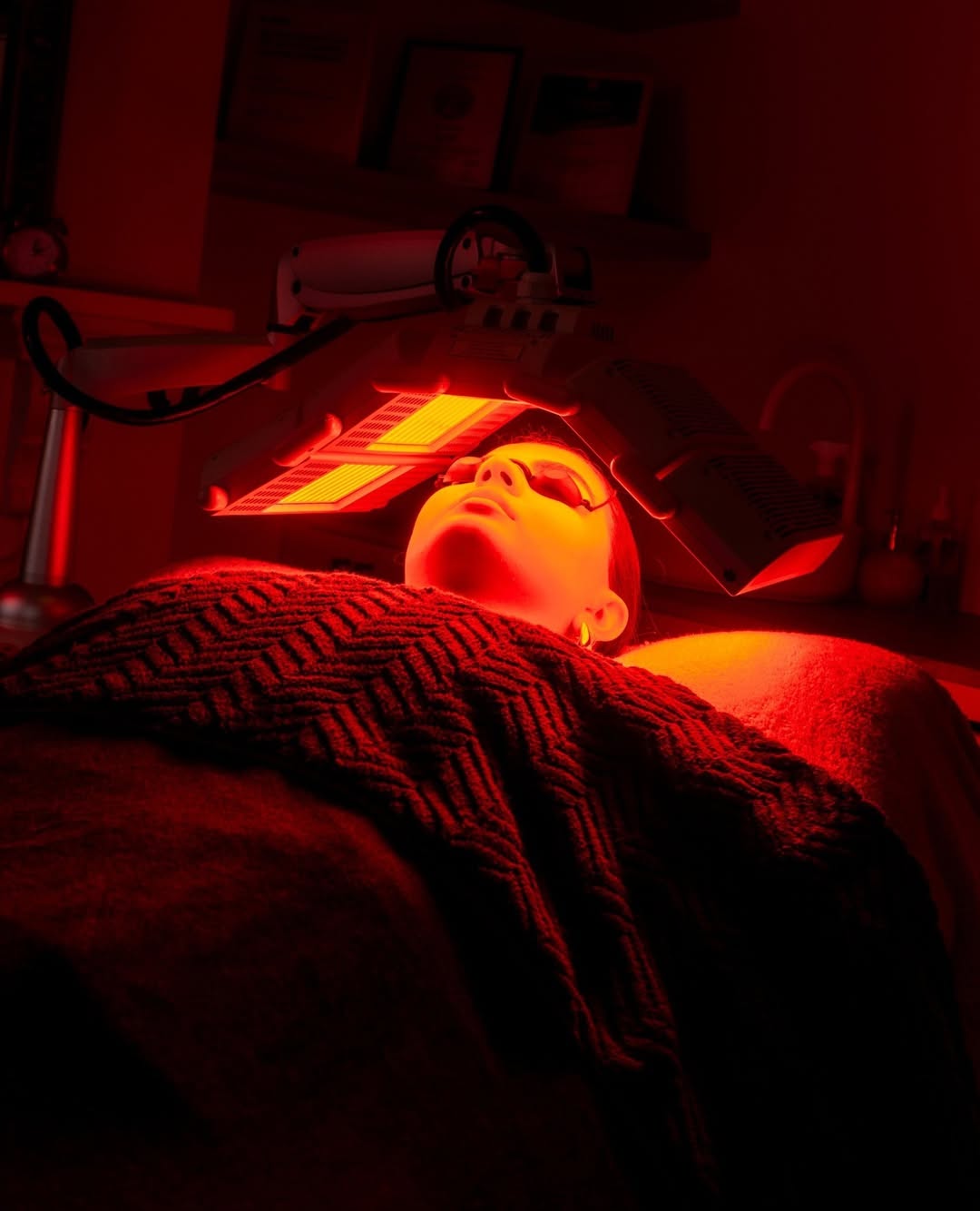
Modern wellness routines increasingly focus on maintaining healthy habits, supporting recovery, and making time for relaxation amid busy schedules. Alongside regular exercise, balanced nutrition, adequate sleep, and stress management, some people explore light-based wellness technologies as an additional part of their self-care practices. Total XEN Red Light Bed technology is one option for individuals interested in whole-body red light therapy. By incorporating red and potentially near-infrared light into a dedicated session, this technology offers a structured approach to light-based wellness. Understanding how it works, what research suggests, and how to use it responsibly can help individuals decide whether it fits their personal wellness goals.
Understanding Total XEN Red Light Bed Technology
Red light therapy, also known as photobiomodulation, uses specific wavelengths of light to interact with biological tissues. Depending on the device, treatment may use red light, near-infrared light, or a combination of both. These wavelengths differ from ultraviolet radiation and are studied for their potential effects on cellular processes. Red light is generally associated with effects in more superficial tissues, while near-infrared wavelengths can penetrate deeper, although the depth and biological response depend on several factors, including wavelength, intensity, and exposure conditions.
Total XEN Red Light Bed technology is designed around a whole-body treatment format, allowing users to receive light exposure across a larger area than they might with a small, targeted device. The specific wavelengths, light intensity, session duration, and other features depend on the model and its technical specifications. Understanding these details is important because different devices can produce different results. Whole-body coverage may make sessions convenient, but it does not automatically mean that every claimed benefit has been scientifically established. The Total XEN Red Light Bed at https://aestheticbureau.com.au/total-xen-red-light-bed/ offers a whole-body red light therapy experience for those looking to incorporate modern light-based technology into their wellness and self-care routines.
Supporting a Consistent Wellness Routine
One of the practical advantages of a dedicated red light bed is the opportunity to establish a repeatable wellness habit. People often find it easier to maintain a routine when an activity has a defined place, duration, and purpose in their weekly schedule. A light therapy session may become part of a broader self-care plan that also includes exercise, hydration, nutritious meals, and adequate rest. For individuals with demanding work schedules, setting aside a short period for a planned session may encourage greater attention to personal wellbeing.
Consistency should not be confused with using a device more frequently than recommended. The appropriate schedule depends on the device instructions, treatment goals, and individual circumstances. More exposure does not necessarily produce better results, and excessive use may cause unwanted effects. Following the manufacturer’s guidance and monitoring how the body responds are important steps when introducing any new wellness technology.
Exploring Potential Skin Health Benefits
Skin health is one of the areas studied in connection with red light therapy. Some research suggests that specific red light protocols may influence cellular activity associated with skin appearance, collagen-related processes, and the body’s normal tissue responses. However, outcomes vary according to the treatment parameters, the condition being studied, and the quality of the available evidence. Results from a particular clinical setting cannot automatically be applied to every whole-body red light bed.
For people interested in skin care, Total XEN Red Light Bed sessions may be considered alongside established practices such as sun protection, gentle cleansing, moisturising, and following appropriate advice from a qualified healthcare professional. It is important to maintain realistic expectations and avoid treating red light therapy as a replacement for medical assessment or proven treatments for skin conditions. Individuals with persistent irritation, unusual skin changes, or other concerns should seek professional guidance before relying on light-based wellness products.
Red Light Therapy and Physical Recovery
Physical activity is an important part of many wellness routines, and recovery helps people maintain a sustainable exercise schedule. Photobiomodulation has been investigated for possible effects on muscle performance, discomfort, and recovery following physical exertion. Some studies report promising findings in particular circumstances, but the evidence is mixed, and results can differ depending on the wavelength, dosage, timing, and treatment area. Research involving a small treatment panel or a specific protocol may not establish the same outcomes for a full-body device.
People who exercise regularly may therefore view a red light bed as a potential complementary wellness option rather than a substitute for established recovery practices. Adequate sleep, suitable rest periods, balanced nutrition, and gradual increases in training intensity remain important. Anyone experiencing persistent pain, swelling, weakness, or an injury should obtain appropriate medical advice instead of using light therapy to delay assessment.
Making Time for Relaxation and Self-Care
Modern wellness involves more than physical activity alone. Many people also prioritise relaxation, manageable routines, and opportunities to step away from work or daily responsibilities. A scheduled red light bed session can provide a dedicated period for personal care, particularly when it takes place in a calm and comfortable environment. While some users may find the experience relaxing, it is important to distinguish subjective relaxation from proven effects on stress, sleep, or mental health.
A balanced routine can combine light-based wellness sessions with other practical habits, including regular movement, breathing exercises, time outdoors, and a consistent sleep schedule. These activities support a broader approach to wellbeing without depending on a single product or technology. Keeping expectations realistic allows individuals to assess whether a session contributes positively to their routine without assuming that it will resolve every wellness concern.
Important Safety Considerations Before Using a Red Light Bed
Before using Total XEN Red Light Bed technology, users should review the manufacturer’s instructions, recommended exposure times, and any precautions associated with the device. Eye protection may be necessary depending on the wavelengths and equipment design, and users should follow the specific guidance provided rather than assuming that the light is harmless because it is not ultraviolet. People taking medications that increase light sensitivity, those with relevant eye conditions, and individuals with medical conditions affected by light exposure should consult a healthcare professional before treatment.
It is also useful to check the device’s specifications, including its wavelengths, irradiance, recommended distance where applicable, and intended use. Claims about detoxification, disease treatment, dramatic anti-ageing effects, or guaranteed recovery should be evaluated carefully. Red light therapy is not a replacement for prescribed medication, professional medical treatment, or appropriate clinical care.
Integrating Total XEN into a Balanced Wellness Plan
The most practical way to approach Total XEN Red Light Bed technology is to consider it one possible component of a broader wellness routine. Individuals can begin by identifying their goals, reviewing the device instructions, and determining whether the available evidence supports those expectations. Keeping a simple record of session frequency, comfort, and any noticeable changes may help users evaluate their experience over time. Such observations can provide personal insight, although they cannot establish that the device caused a particular health outcome.
A sustainable routine should remain flexible and focus on habits that are practical to maintain. Red light therapy may appeal to people seeking a whole-body light exposure format, but its value depends on the device, the intended purpose, and the individual’s circumstances. Combining informed decisions with realistic expectations helps keep wellness practices safe and balanced.
Conclusion
Total XEN Red Light Bed technology offers a structured way to incorporate whole-body red light exposure into modern self-care routines. Research into photobiomodulation continues to explore potential applications for skin health, physical recovery, and other biological processes, although the strength of evidence varies by use and treatment protocol. By following manufacturer guidance, understanding the limitations of current research, and maintaining established wellness habits, individuals can make informed decisions about whether red light therapy fits their lifestyle. A balanced approach places consistent healthy habits and appropriate professional advice at the centre of long-term wellbeing.